How Western African cities address inclusivity and participatory risk assessments
This was the central question that brought together urban risk experts, local leaders, and community representatives from Benin, Burkina Faso, Ghana, Mali, Niger, Senegal, Sierra Leone, and Togo to continue the workshop series on "Risk- Informed Urban Development in West Africa and the ECOWAS Region”.
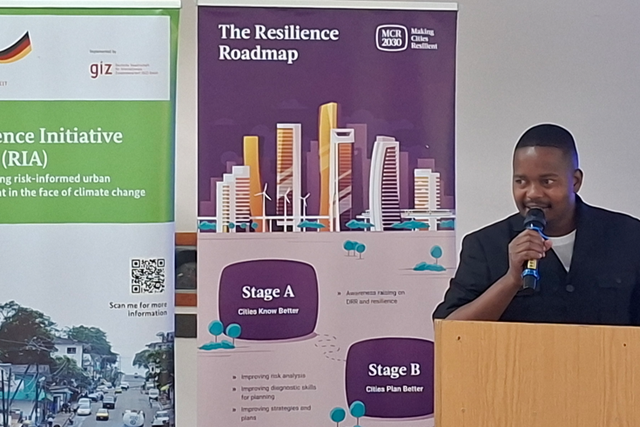
This 2nd workshop in the series, took place from 02-04 July in Accra, Ghana. This workshop was jointly organised by the German Projects Resilience Initiative Africa (RIA), Connective Cities (CC), and CIVIC and in cooperation with the African Union and the ECOWAS Commission.
The Workshop Series
West Africa is facing growing challenges due to climate change and rapid urbanisation. The Intergovernmental Panel on Climate Change (IPCC) predicts temperature increases of 1.5 to 2 degrees Celsius by 2050, which has already led to a 25% rise in climate-related extreme events between 2011 and 2021.
These shifts threaten water resources, biodiversity, food security, and public health. Additionally, the urban population is expected to double by 2050 across Africa, exacerbating the risks associated with rapid urbanisation, particularly in informal settlements. Climate-related disasters could cost the region between 1.5% and 3% of GDP annually by 2030, making investments in urban resilience vital for protecting infrastructure, livelihoods, and promoting sustainable economic growth.
To address these challenges, RIA and CC have launched the workshop series on "Risk-Informed Urban Development in West Africa and the ECOWAS Region”. The goal of the workshop series is to provide urban actors in the region with the tools and knowledge needed to manage urban risks while fostering collaboration through peer learning and exchange. The workshop series supports 12 cities from West Africa in preparing bankable project ideas to address the risks faced in their cities and strengthening the capacities of the participating urban practitioners in enhancing urban resilience.
Workshop 2 - Inclusivity and Participatory Risk Assessments
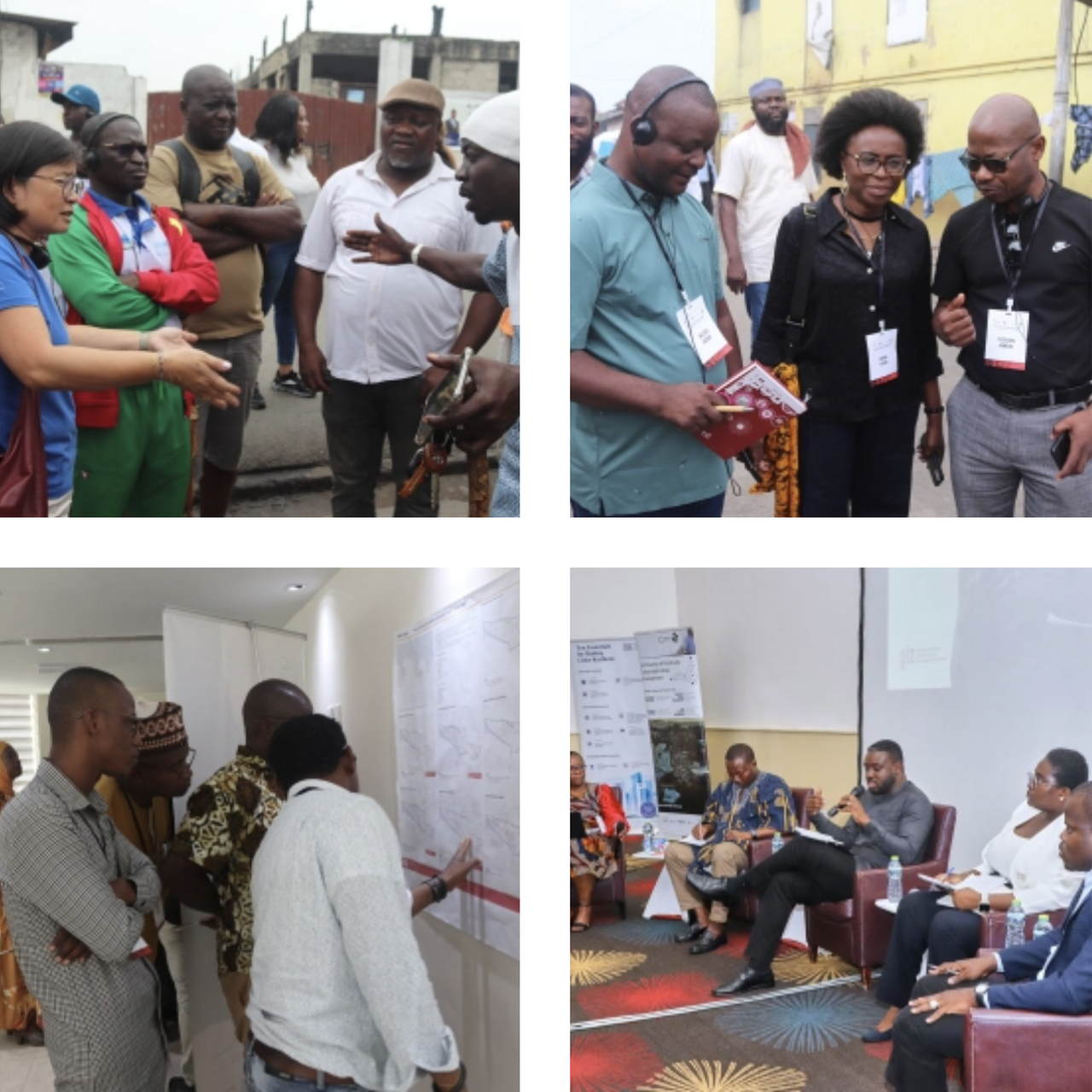
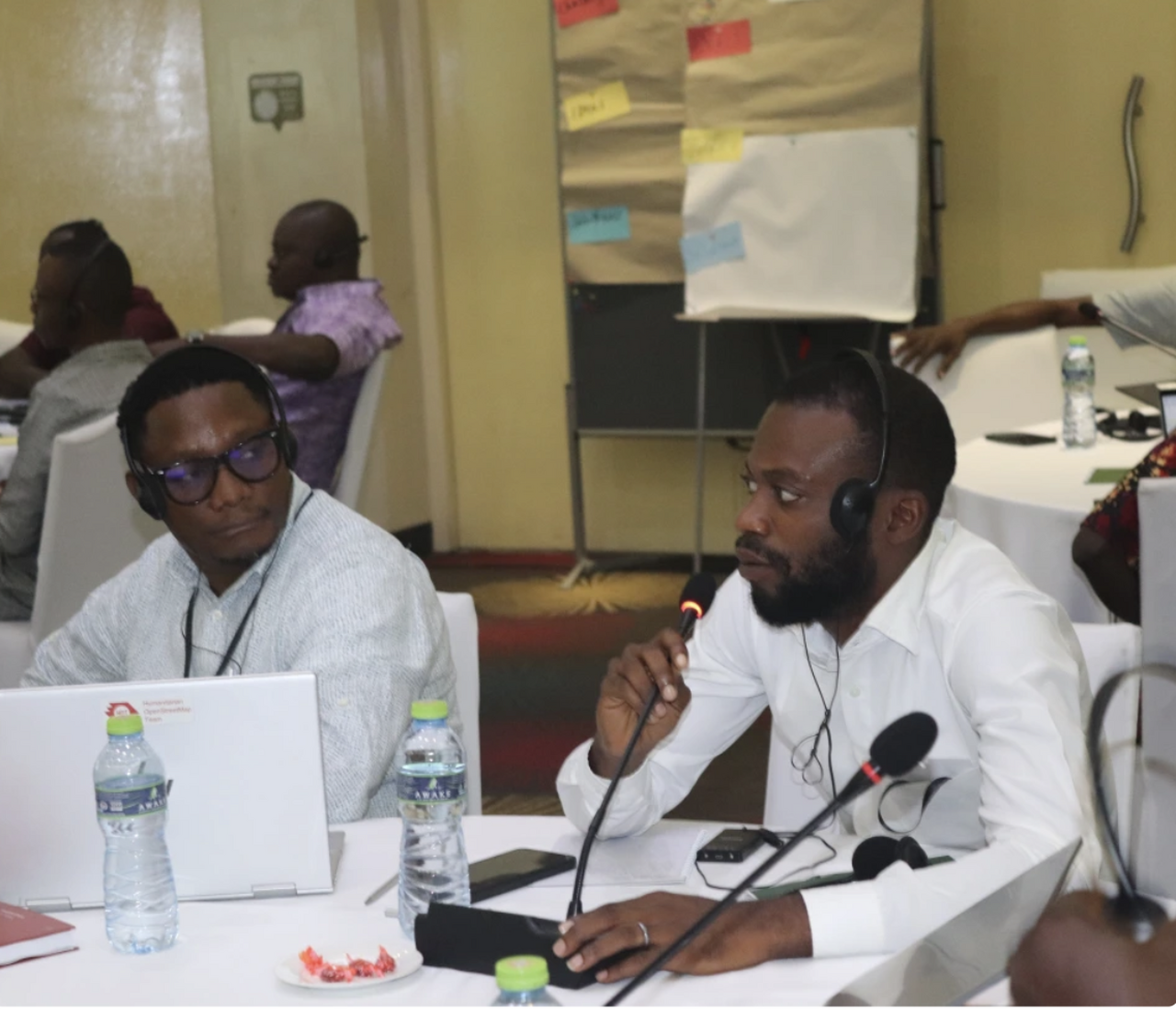
After the kick-off workshop in Lomé, Togo, the 2nd workshop took place in Accra, Ghana from 2 to 4 July. Over three days, participants gained insights into participatory risk assessments and inclusivity concepts. They were provided with concrete tools and approaches on how to integrate these concepts in their urban planning work to tackle
Risk-Informed Urban Development. Experts in urban planning, as well as representatives from the African Union and ECOWAS, and civil society, shared their experiences and provided a range of perspectives, from continental to local-level approaches.
The workshop was completed through the continued peer-advisory sessions where cities presented their concrete challenges in the elaboration of their project idea that they started since workshop 1 and received practical advice from other participating cities.
On the third day of the workshop, participants visited two sites in Accra that linked to the topic of participatory risk assessment and inclusivity: The Ga Mashie Participatory Slum Upgrading Project and the Recycling Hub at the Bubuashie Cable and Wireless. The site visits were co-organised by the City of Accra and Slum Dwellers International.
Next steps
The series of workshops will continue to provide local governments, urban planners, and communities with the knowledge and tools needed to make risk- informed decisions in urban planning and management. The next workshop is scheduled for October 2025, focusing on access to finance and the development of action plans.