Driving Urban Resilience Forward: Sharing Experiences Across Western Africa
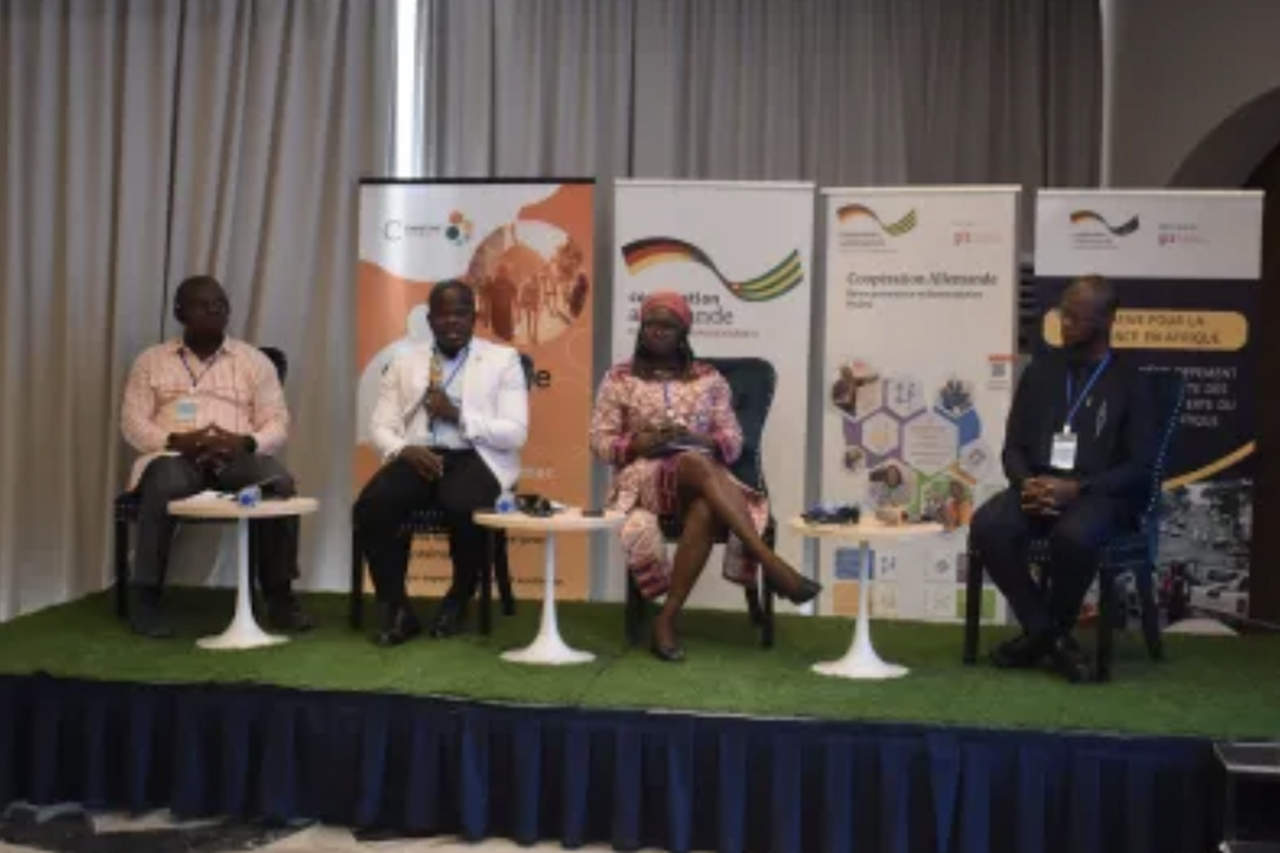
The first workshop took place in Lomé, Togo, from March 18-20, 2025, bringing together urban risk experts, local leaders, and community representatives from various cities across West Africa to discuss the region’s most pressing urban risks.
Workshop 1 - Introduction to Risk-Informed Urban Development
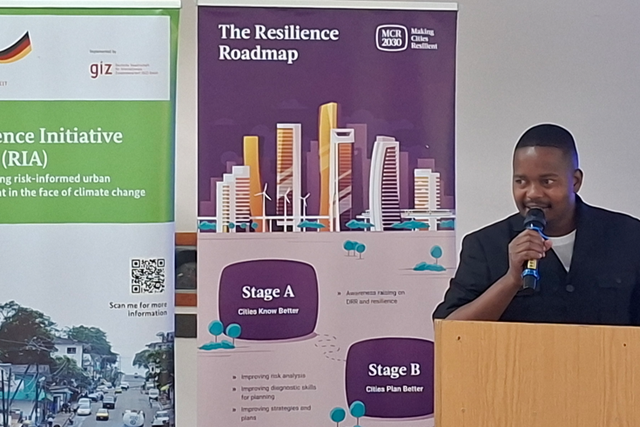
How do Western African cities address the growing challenges of climate change and rapid urbanisation? This was the central question that brought together urban risk experts, local leaders, and community representatives from Benin, Burkina Faso, Ghana, Mali, Niger, Senegal, Sierra Leone, and Togo to the launch of a series of workshops on "Risk-Informed Urban Development in West Africa and the ECOWAS Region." The kick-off event for the workshop series took place from March 18–20, 2025 in Lomé, Togo. This workshop in Togo was jointly organised by the GIZ Projects Resilience Initiative Africa (RIA), Connective Cities, and Good Governance and Decentralisation of GIZ Togo, and in cooperation with the African Union and the ECOWAS Commission. This workshop marked a significant step toward enhancing urban resilience in response to the increasing environmental and social challenges faced by the region.
West Africa is facing growing challenges due to climate change and rapid urbanisation. The Intergovernmental Panel on Climate Change (IPCC) predicts temperature increases of 1.5 to 2 degrees Celsius by 2050, which has already led to a 25% rise in climate-related extreme events between 2011 and 2021. These shifts threaten water resources, biodiversity, food security, and public health. Additionally, the urban population is expected to double by 2050 across Africa, exacerbating the risks associated with rapid urbanisation, particularly in informal settlements. Climate-related disasters could cost the region between 1.5% and 3% of GDP annually by 2030, making investments in urban resilience vital for protecting infrastructure, livelihoods, and promoting sustainable economic growth. To address these challenges, Resilience Initiative Africa (RIA) and Connective Cities have launched the workshop series on "Risk-Informed Urban Development in West Africa and the ECOWAS Region”. The goal of the workshop series is to provide urban actors in the region with the tools and knowledge needed to manage urban risks while fostering collaboration through peer learning and exchange. The workshop series will support 12 cities from West Africa in preparing bankable project ideas to address the risks faced in their cities and strengthening the capacities of the participating urban practitioners in enhancing urban resilience.
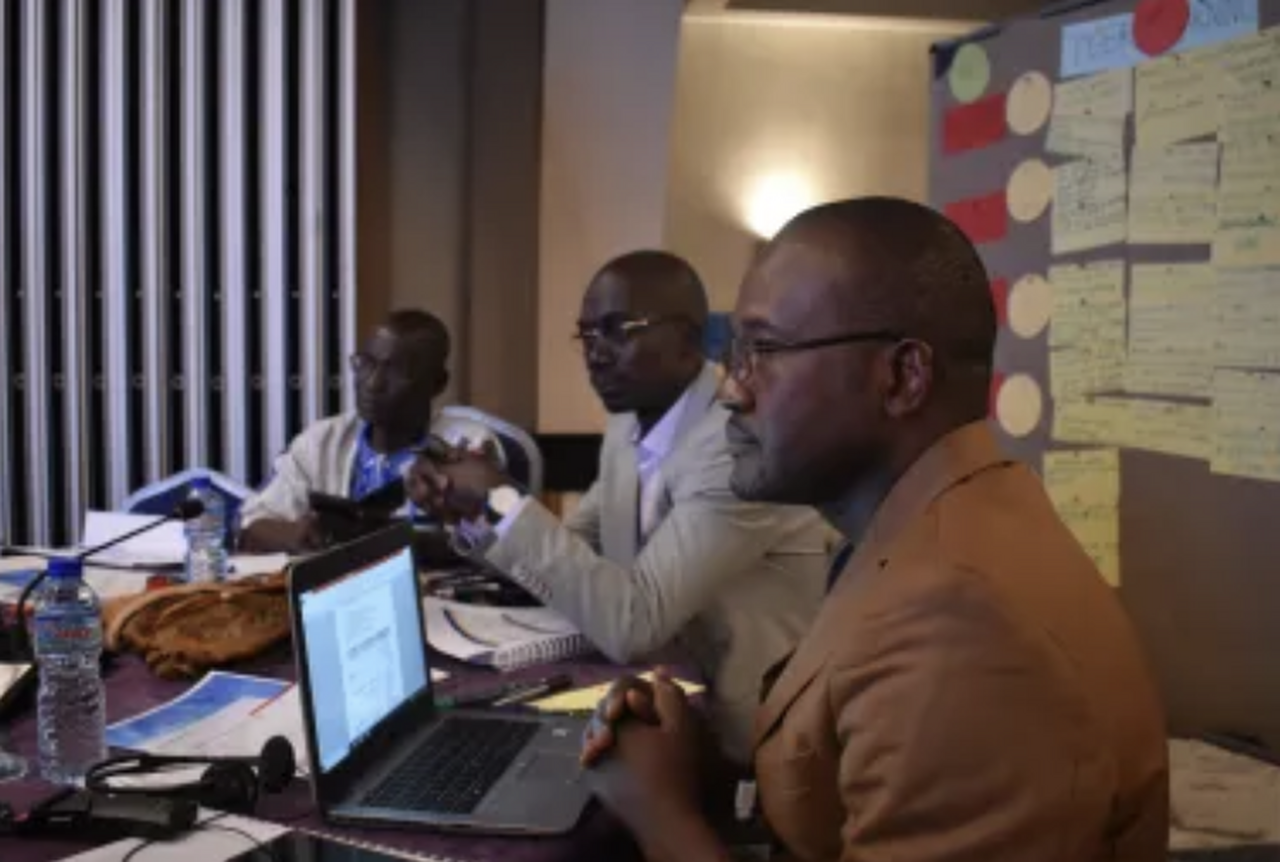
The first workshop took place in Lomé, Togo, from March 18-20, 2025, bringing together urban risk experts, local leaders, and community representatives from various cities across West Africa to discuss the region’s most pressing urban risks. With a focus on climate change, urban sprawl, and resource limitations, the workshop aimed to help cities better prepare for future challenges. Over three days, participants gained insights into disaster risk management (DRM) and how to integrate DRM strategies into urban planning to reduce future and mitigate existing urban risks. Urban planning experts, representatives from the African Union and ECOWAS, financing institutions, and civil society shared their experiences and provided a range of perspectives, spanning from continental to local-level approaches.
With a focus on climate change, urban sprawl, and resource limitations, the workshop aimed to help cities better prepare for future challenges. Over three days, participants gained insights into disaster risk management (DRM) and how to integrate DRM strategies into urban planning to reduce future and mitigate existing urban risks. Urban planning experts, representatives from the African Union and ECOWAS, financing institutions, and civil society shared their experiences and provided a range of perspectives, spanning from continental to local-level approaches.
The central component of the workshop were the Peer Learning Sessions, which allowed cities to share their experiences, challenges, and solutions related to urban risk management. These sessions facilitated valuable exchanges of knowledge and innovative ideas. To supplement and enhance the discussions amongst the peers, expert inputs were also delivered on key topics such as flood risk management, drought preparedness, and risk management in informal settlements - issues that many cities in the region are grappling with due to extreme weather events. An expert from the city of Berlin, Germany, also shared with the participants the flood protection measures that are currently being implemented in Berlin, fostering cross- continental learning.
On the third day, participants visited Aneho (a coastal municipality at the border of Togo), to observe the effects of coastal erosion and the measures coastal cities can take to mitigate its impact. The field trip emphasised urban gardening, coastal protection, and the importance of raising awareness to build resilience in communities. By addressing these issues, cities can attract private sector investments, signaling their commitment to managing climate risks and safeguarding economic stability, which ultimately enhances city revenues.
“The workshop series will support 12 cities from West Africa in preparing bankable project ideas to address the risks faced in their cities and strengthening the capacities of the participating urban practitioners in enhancing urban resilience.”
Next Steps
The Lomé workshop marks the beginning of a collective effort to improve urban resilience through cross-border cooperation and shared learning. The series of workshops will continue to provide local governments, urban planners, and communities with the knowledge and tools needed to make risk-informed decisions in urban planning and management. The next workshop is scheduled for Accra, Ghana, in July 2025, focusing on inclusivity and participatory risk assessment methods.