The Learning Process on Flood Management for Risk-Informed Urban Development in sub-Saharan Africa and SADC
Rapidly growing Sub-Saharan cities face a major threat: floods
Urbanisation greatly increases flood risk, resulting from the complex interaction of meteorological and hydrological extremes, and anthropogenic activities.
To design preventive or mitigating measures and solutions, it is essential to understand flood hazards in urban environments; who lives in potentially affected areas, how these areas are planned and developed, and identifying existing flood-risk reduction measures. Programmes such as the GIZ’s Learning Process on Flood Management for Risk-Informed Urban Development have allowed participating cities to plan accordingly for flood risk, in a risk-informed manner.
What It's About
The Learning Process on Flood Management for Risk-Informed Urban Development (RIUD) aims to integrate disaster risk reduction (DRR) and Climate Change Adaptation (CCA) into urban planning and development processes, thereby enhancing the resilience of cities to flood risks. Through a series of peer-to-peer exchanges, participating cities collaboratively identified common challenges and shared practical experiences, which enabled them to design context-specific, risk-informed project proposals for integrated urban flood management—particularly tailored to the realities of Sub-Saharan Africa and the Southern African Development Community (SADC) region.
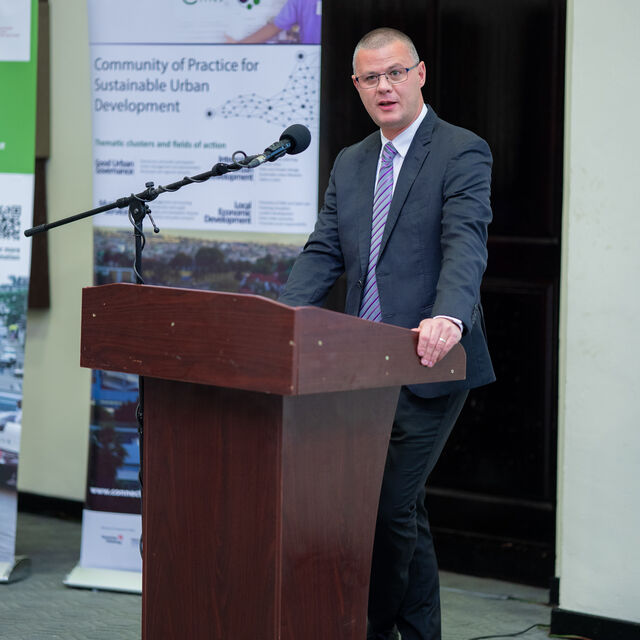
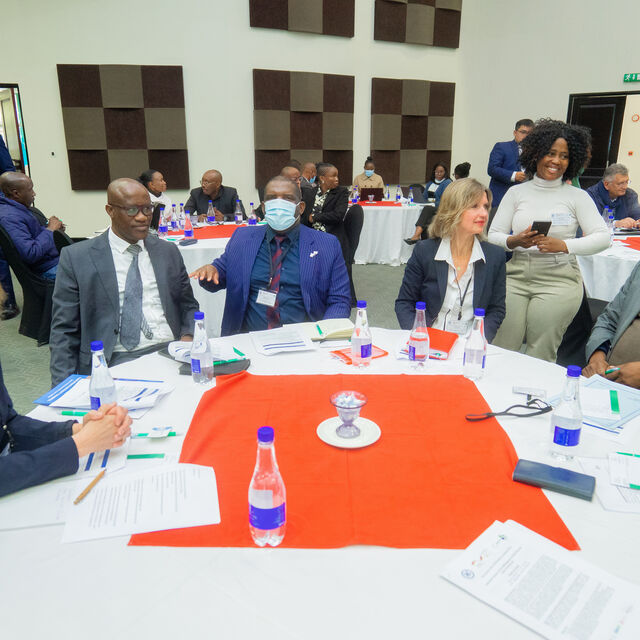
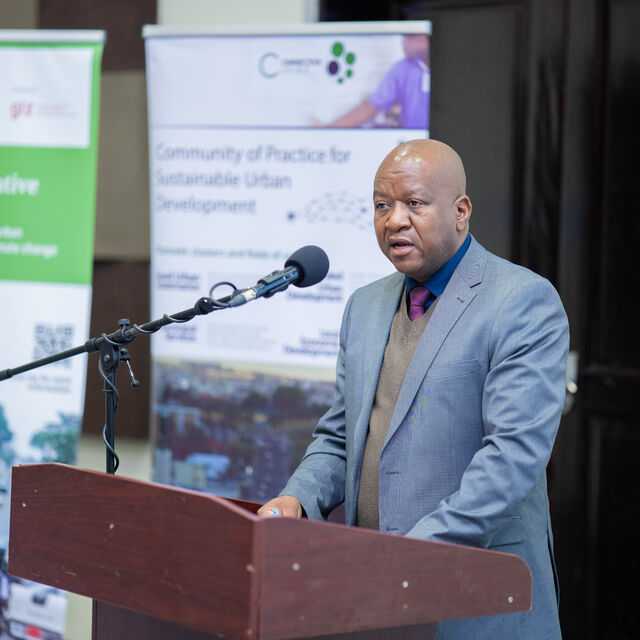
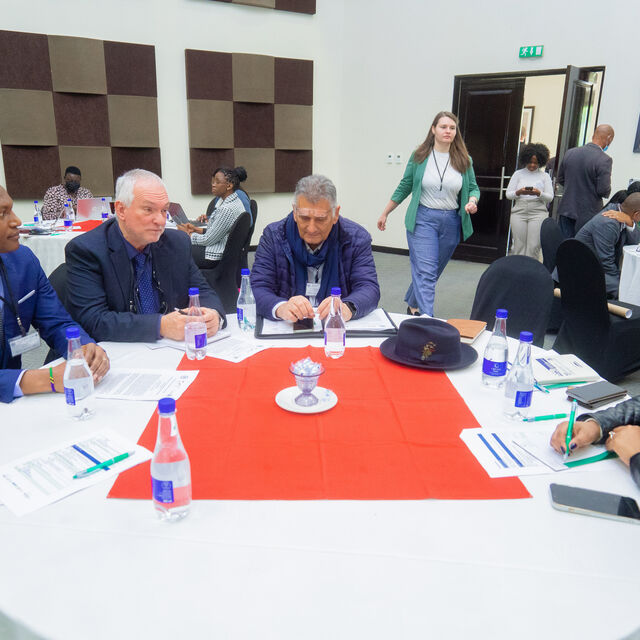
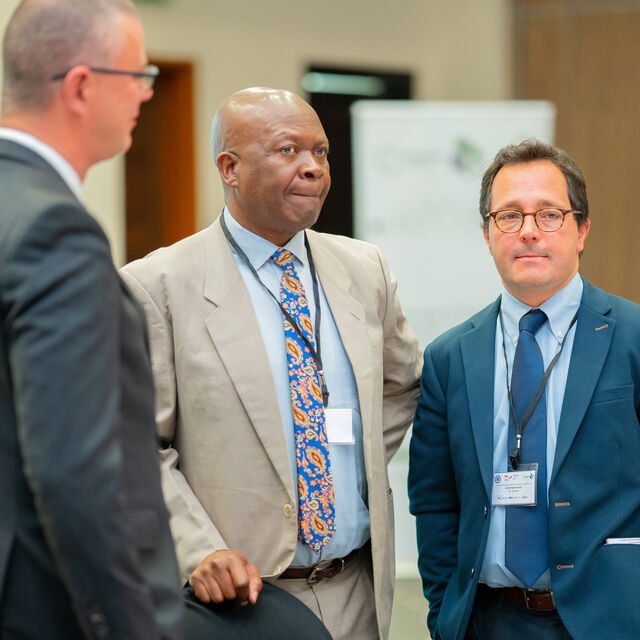
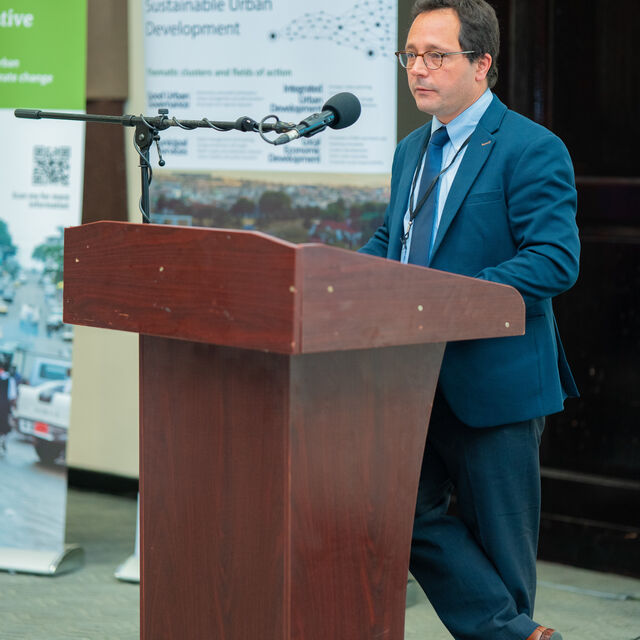
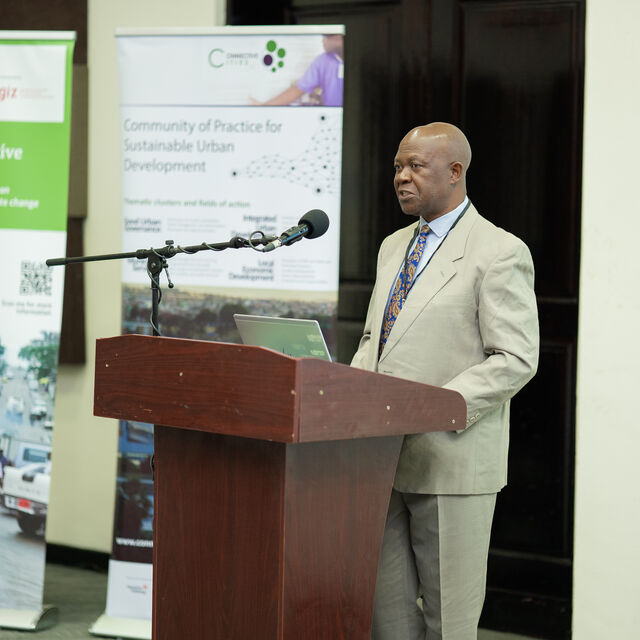
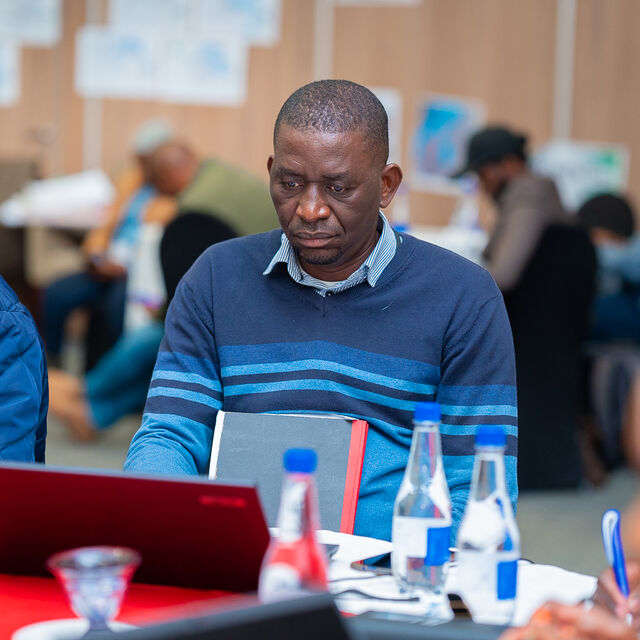
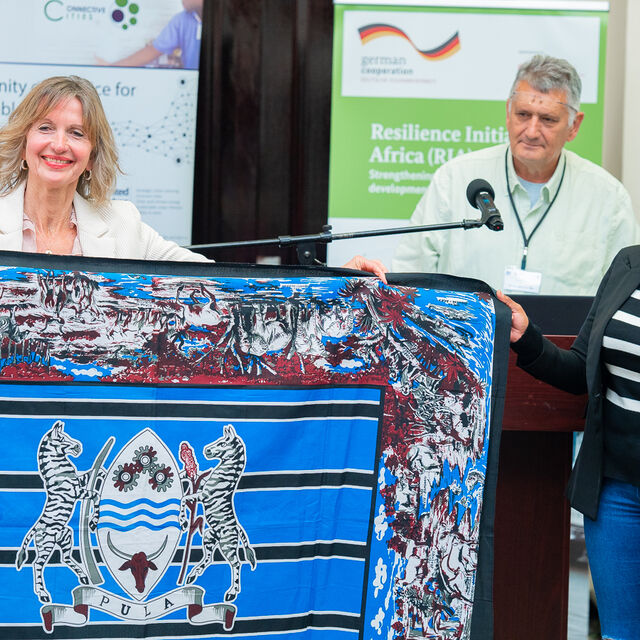
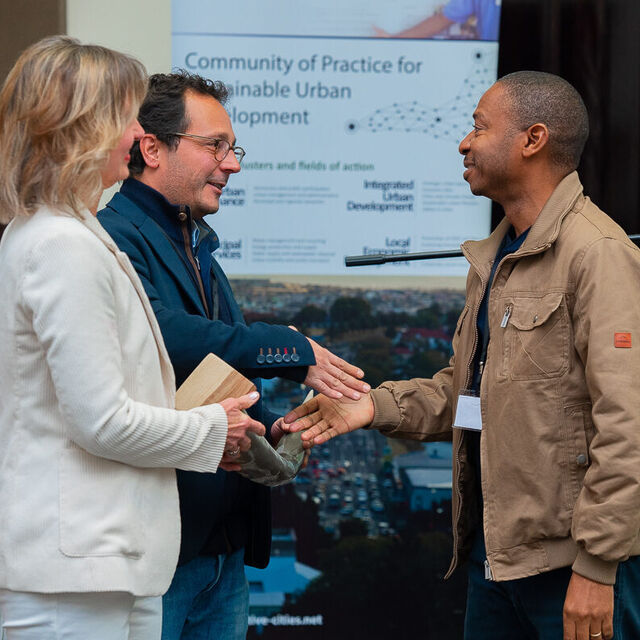
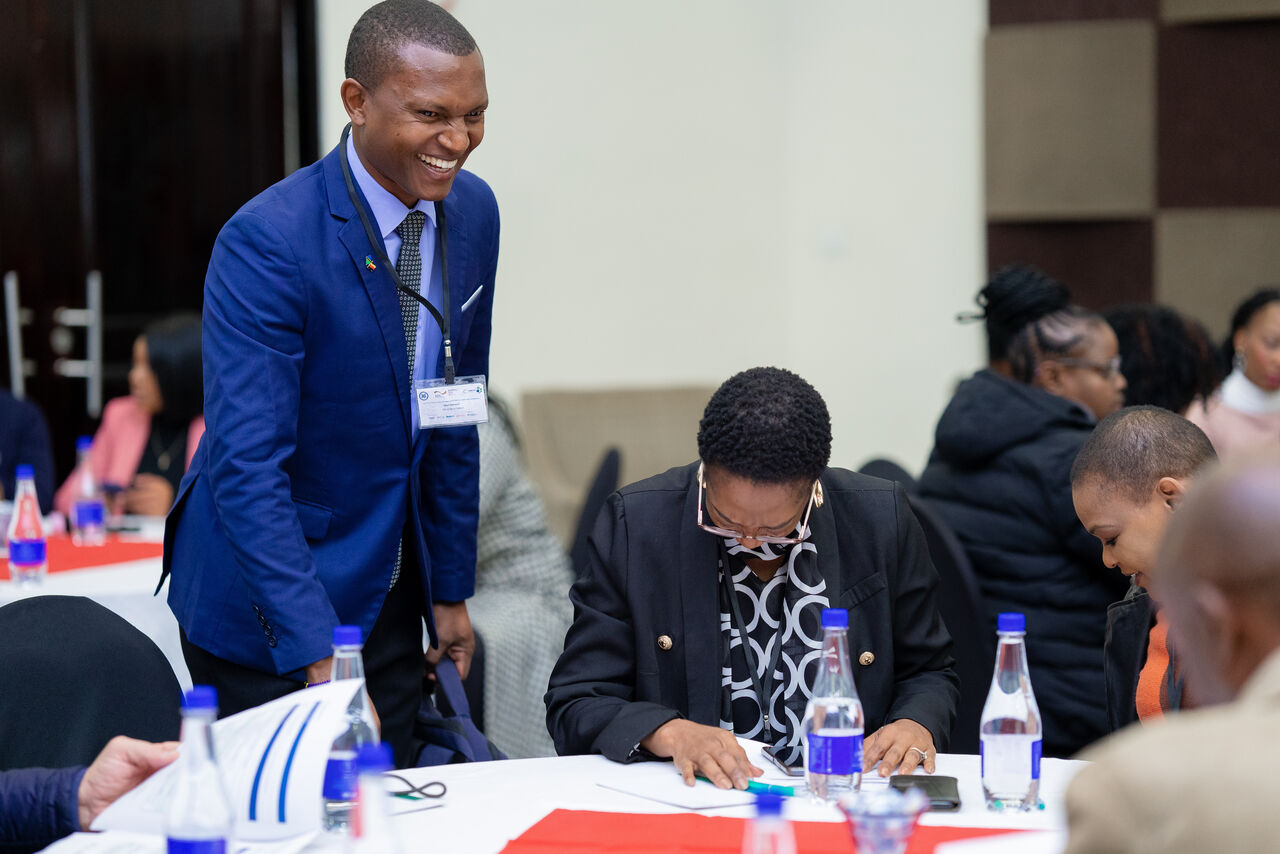
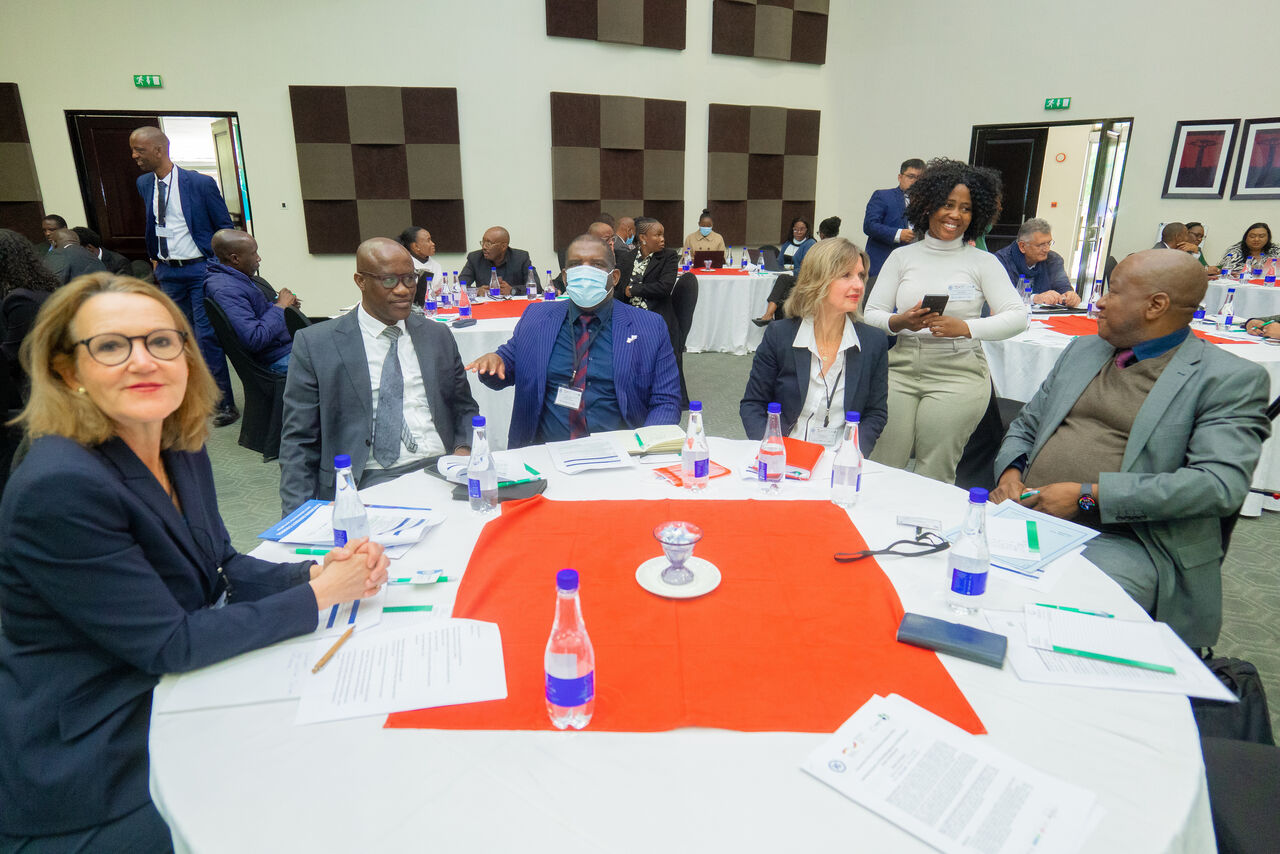
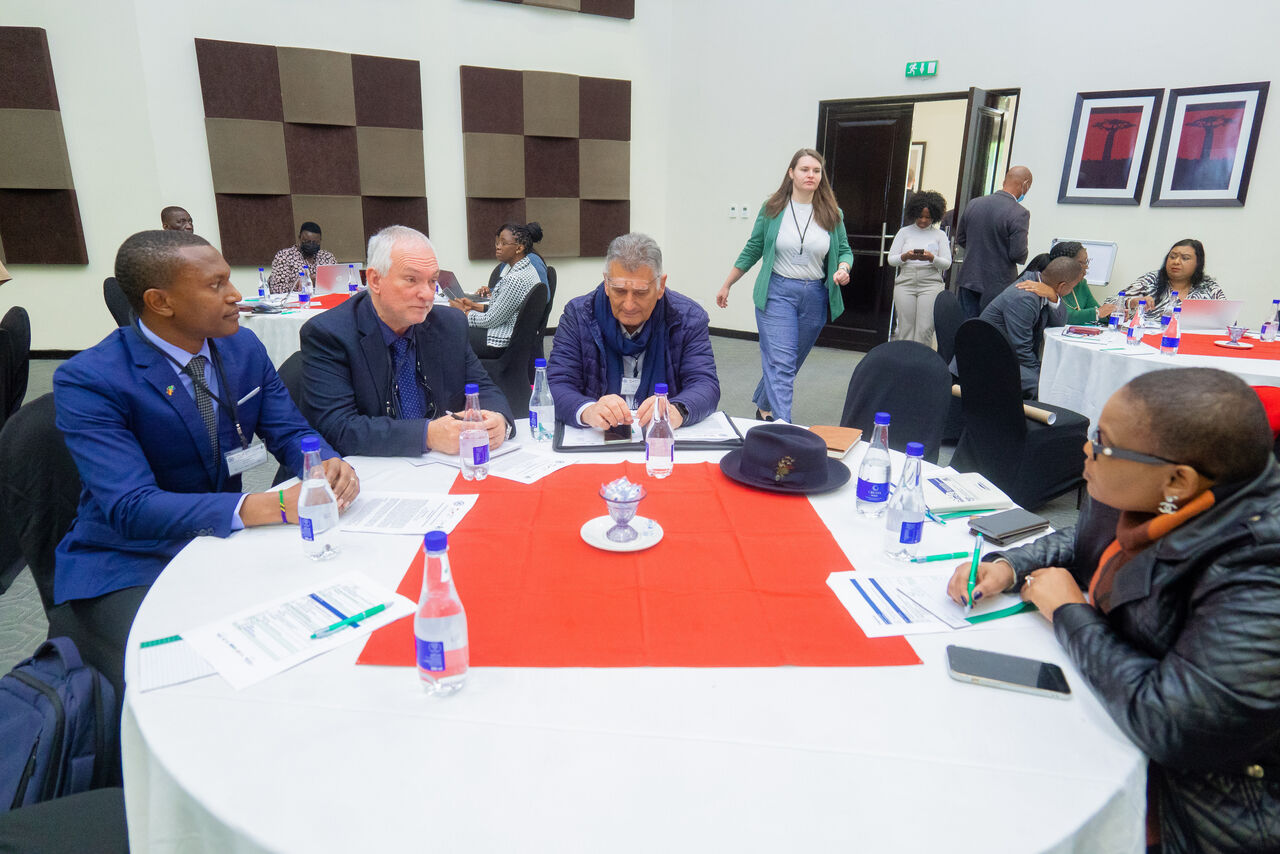
The Learning process was anchored in three live events: a kick-off workshop in Windhoek, Namibia, in April 2023; a second live event in eThekwini, South Africa, in November 2023, and a third live event in Gaborone, Botswana, in June 2024.
During the 14-month process, municipal participants from 16 cities were guided from initially presenting their respective flood-risk challenges to ultimately developing project ideas that address flooding-risk management in a risk-informed manner.
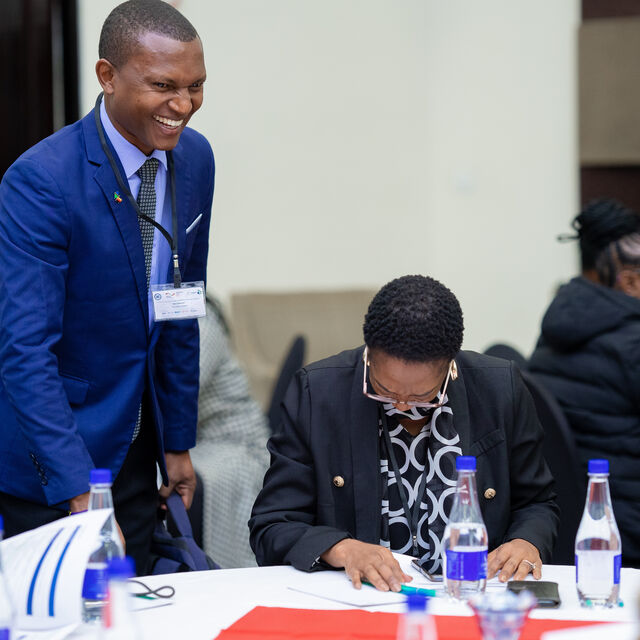
Between the in-person workshops, a series of virtual sessions were held to exchange good practices and provide targeted support to participating cities. During these sessions, participants received tailored guidance on solution design, financial advisory inputs, and technical expertise, with the goal of enabling them to refine and finalize bankable project proposals.
Collaboration and Contribution
RIA’s support for cities that are part of the MCR2030 initiative includes facilitating the application of tools such as UNDRR’s Disaster Resilience Scorecard for Cities in multisectoral workshops including a variety of different stakeholders to follow a whole-of-society approach.
The scorecard enables local governments to assess their resilience across 10 essential areas of disaster risk reduction, with the results informing the development of local DRR strategies to improve risk governance and provide a baseline for tracking progress in the implementation of the Sendai Framework.
Partners
The SADC Secretariat, Connective Cities and the kick-off workshop and second live event were organised by Connective Cities and the Global Initiative on Disaster Risk Management.
Gallery