INFORM Subnational Risk Model in the SADC Region
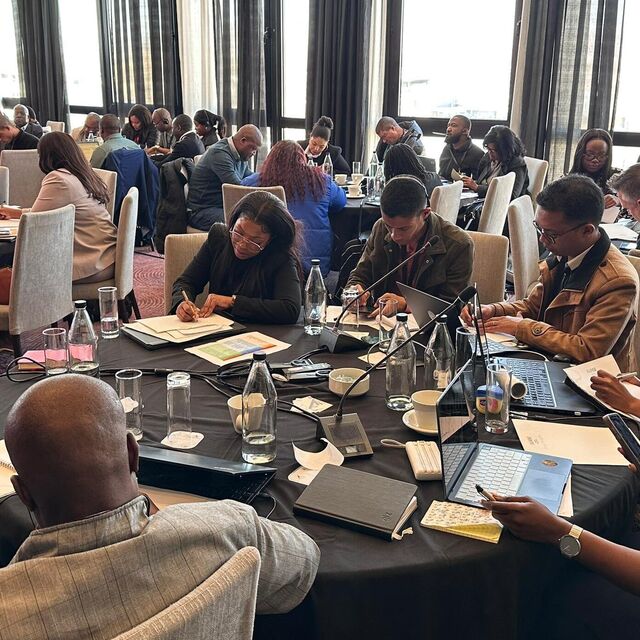
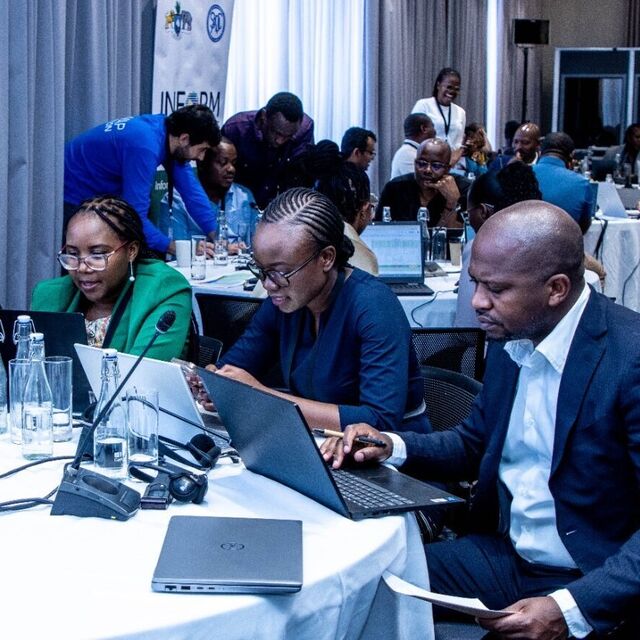
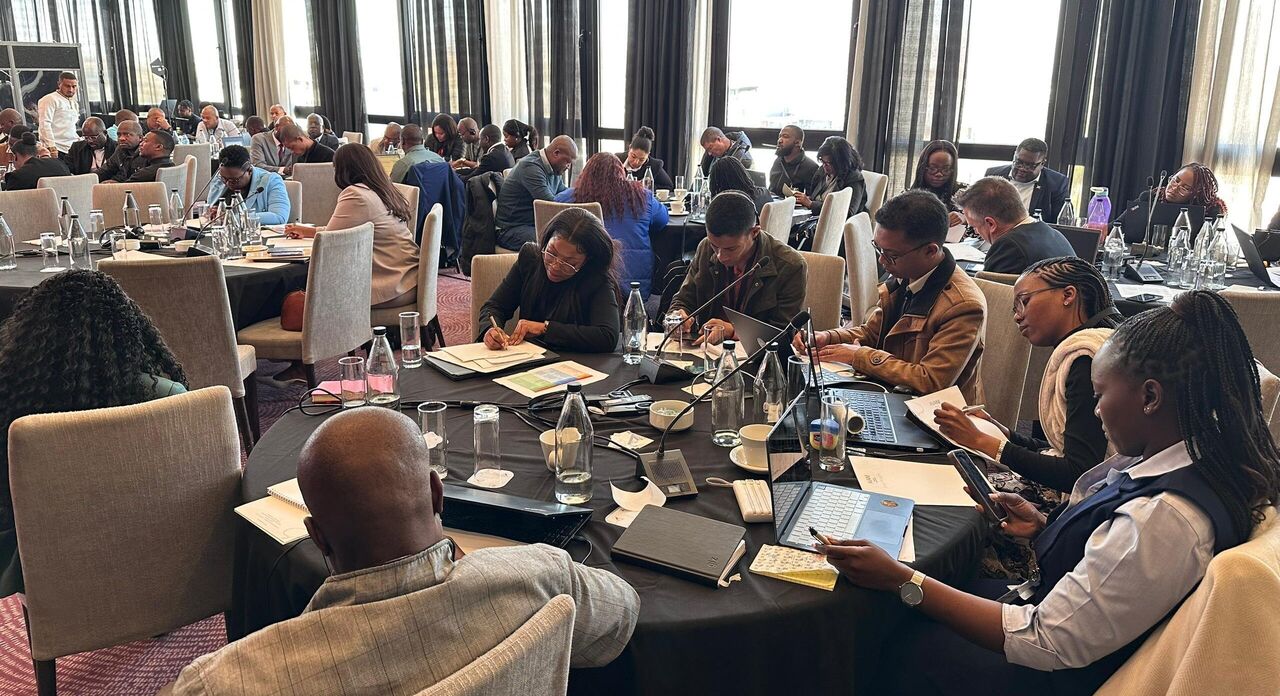
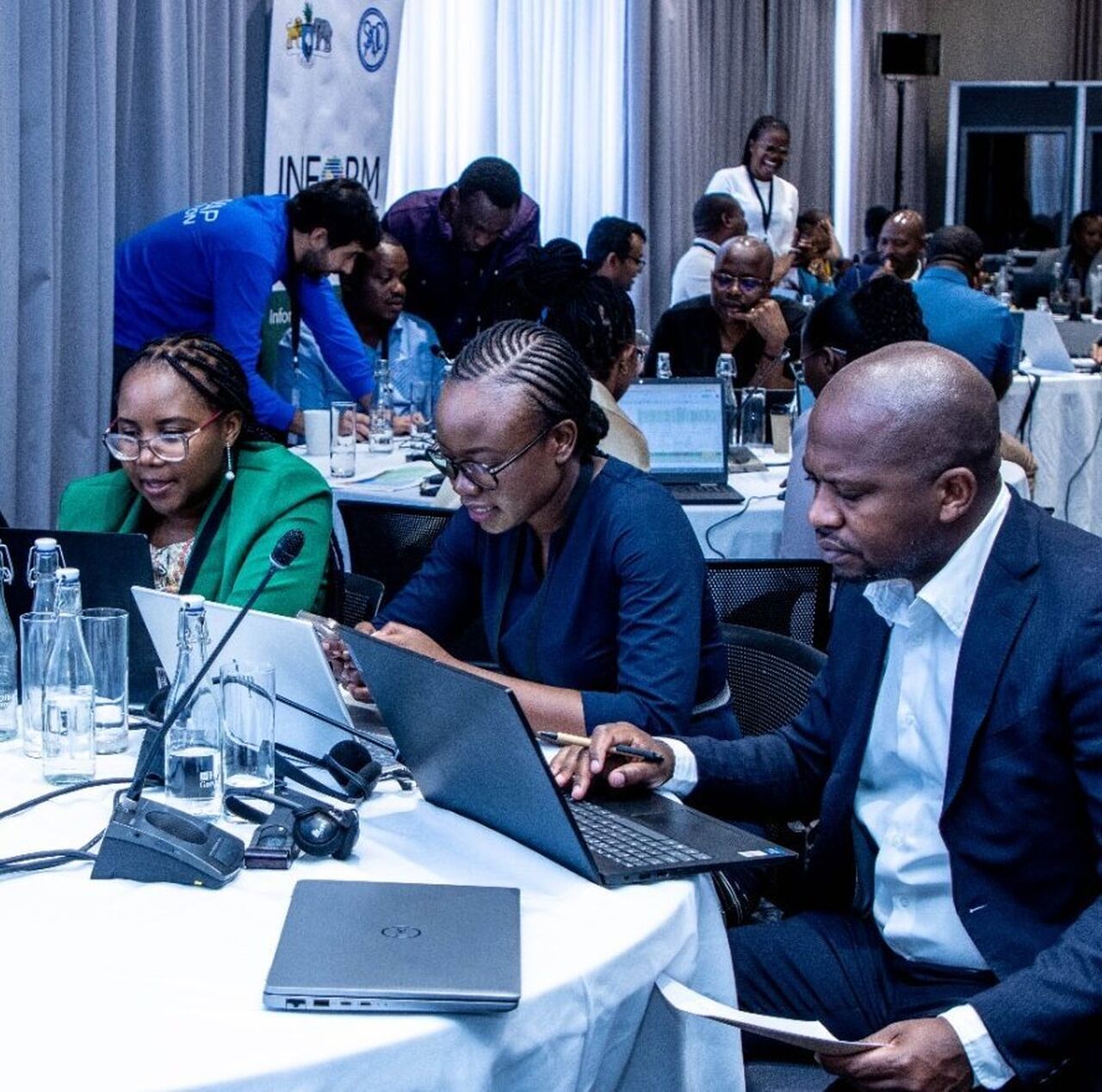
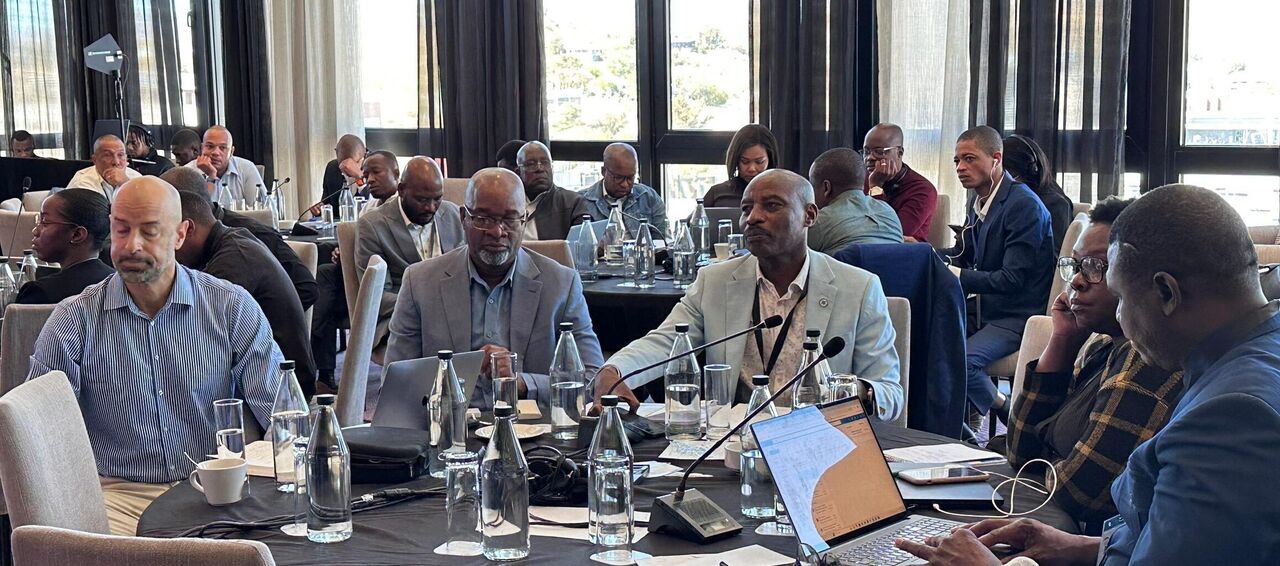
Across Southern Africa, climate and disaster risks such as floods, droughts and cyclones continue to affect lives and development gains. To better understand, visualise and act on disaster risks, countries in the region are adopting a data-driven and collaborative approach through the INFORM Subnational Risk Model, which supports evidence-based planning and coordination for resilience.
What It's About
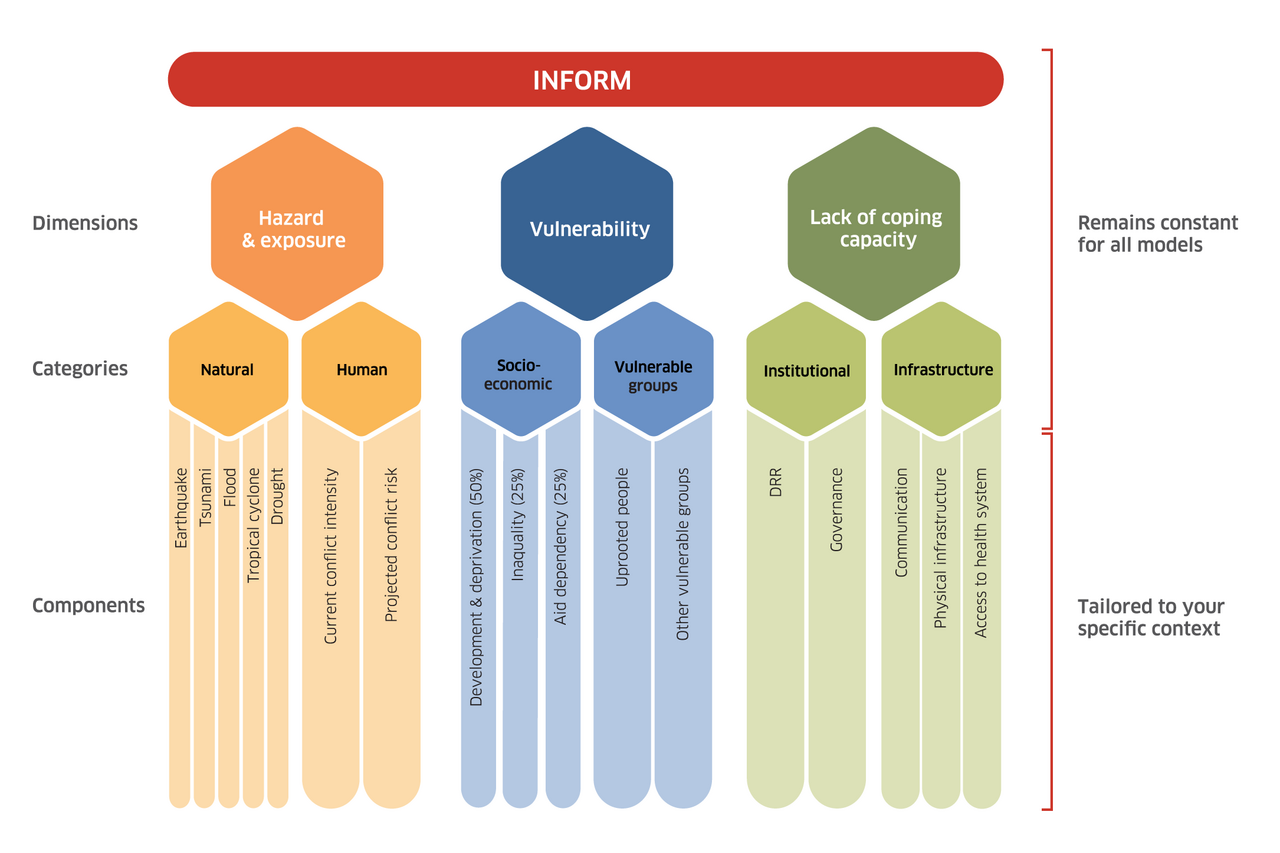
The INFORM Subnational Risk Model is a framework that helps assess and compare disaster risks across countries and regions. By combining indicators on hazards, vulnerability and coping capacity, it provides a clear picture of where risks are highest and where action is most needed.
The model supports decision-makers in integrating risk information into national and local planning, promoting more resilient development pathways.
Collaboration and Contribution
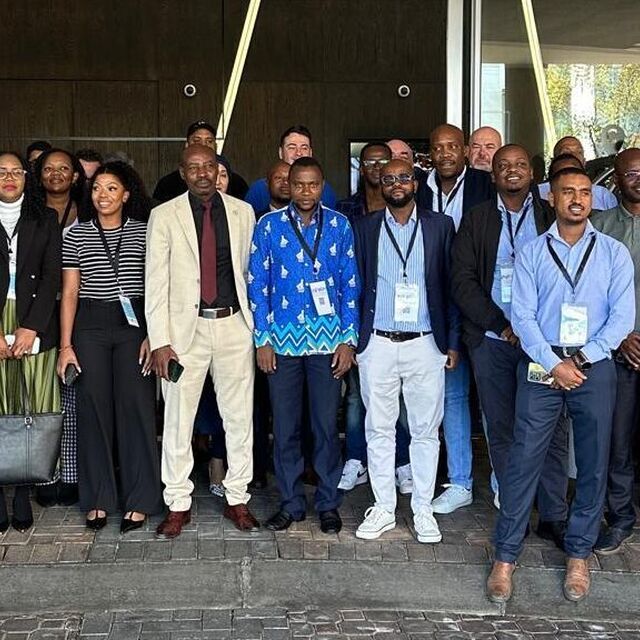
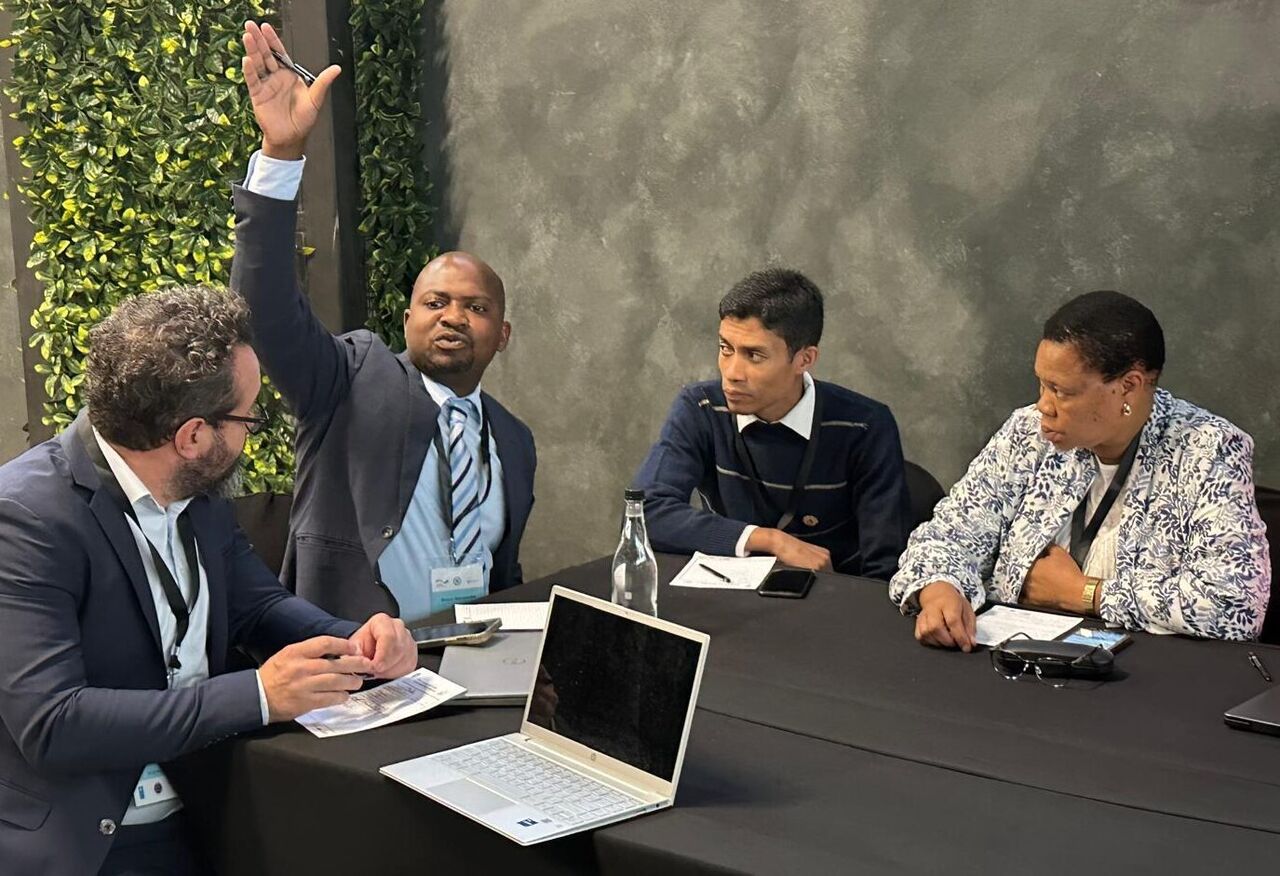
Through the Resilience Initiative Africa (RIA), GIZ collaborates with the Southern African Development Community (SADC) to roll out and institutionalise the model across Member States. Building on the successful pilot in Eswatini, RIA contributes technical assistance, coordination and capacity building to ensure that the model reflects regional priorities and can be maintained and updated by Member States.
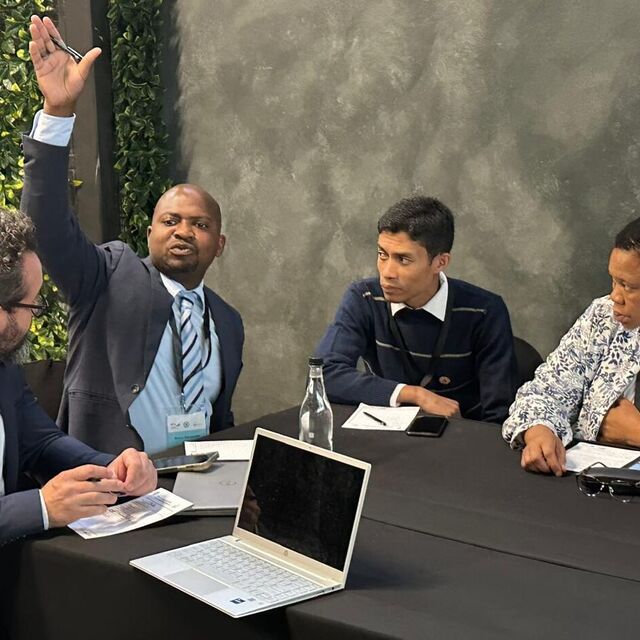
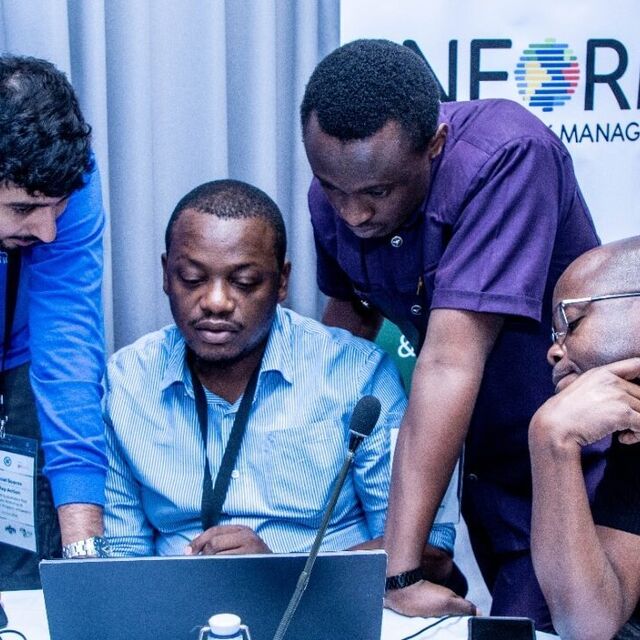
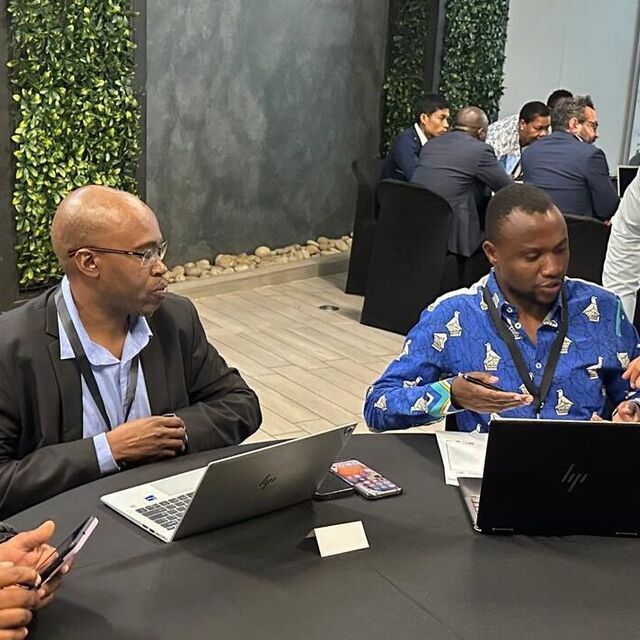
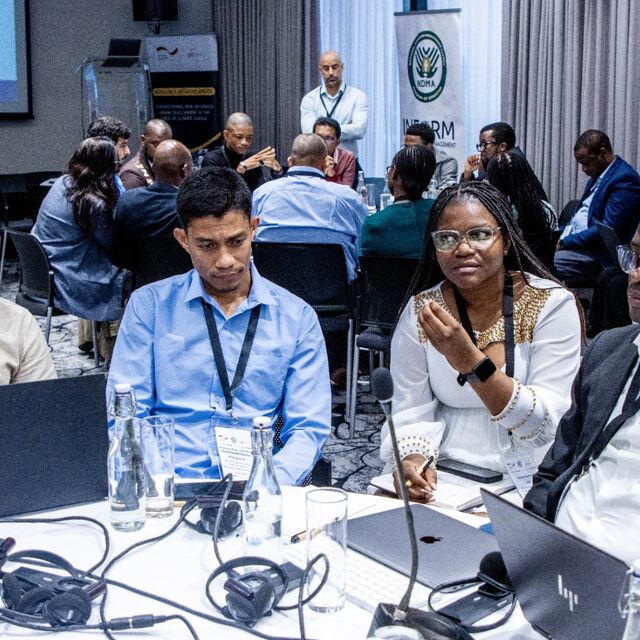
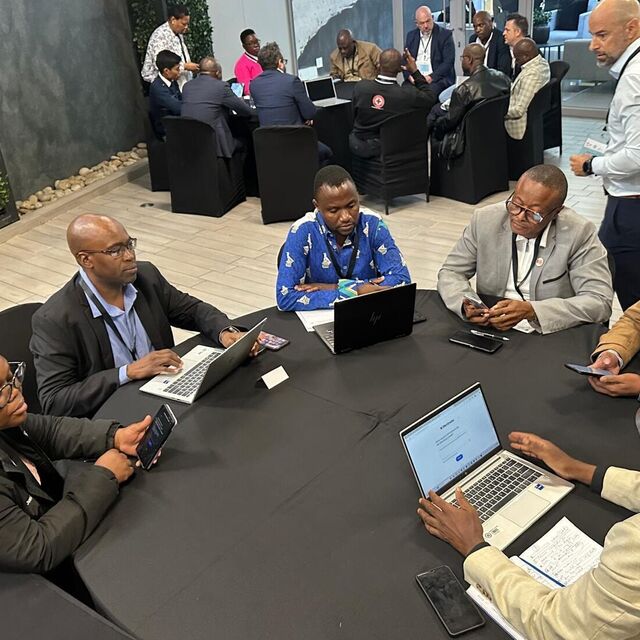
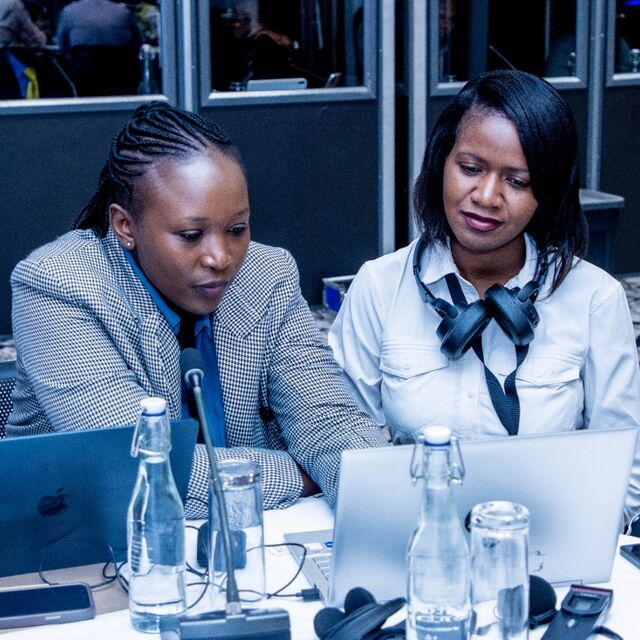
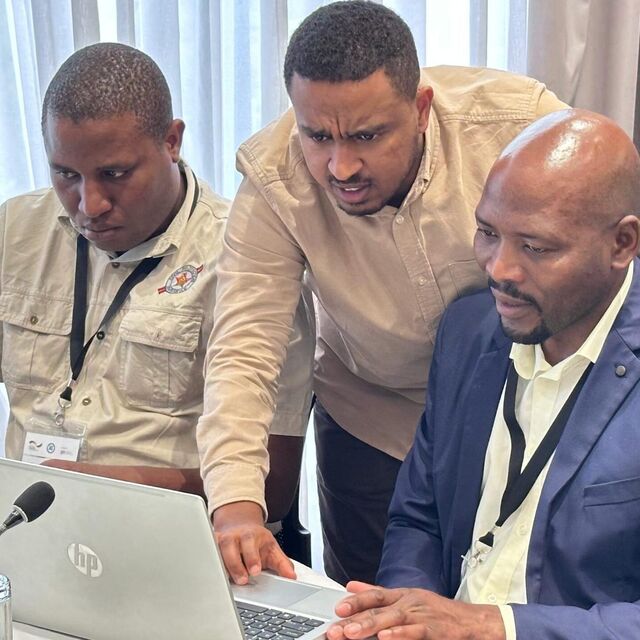
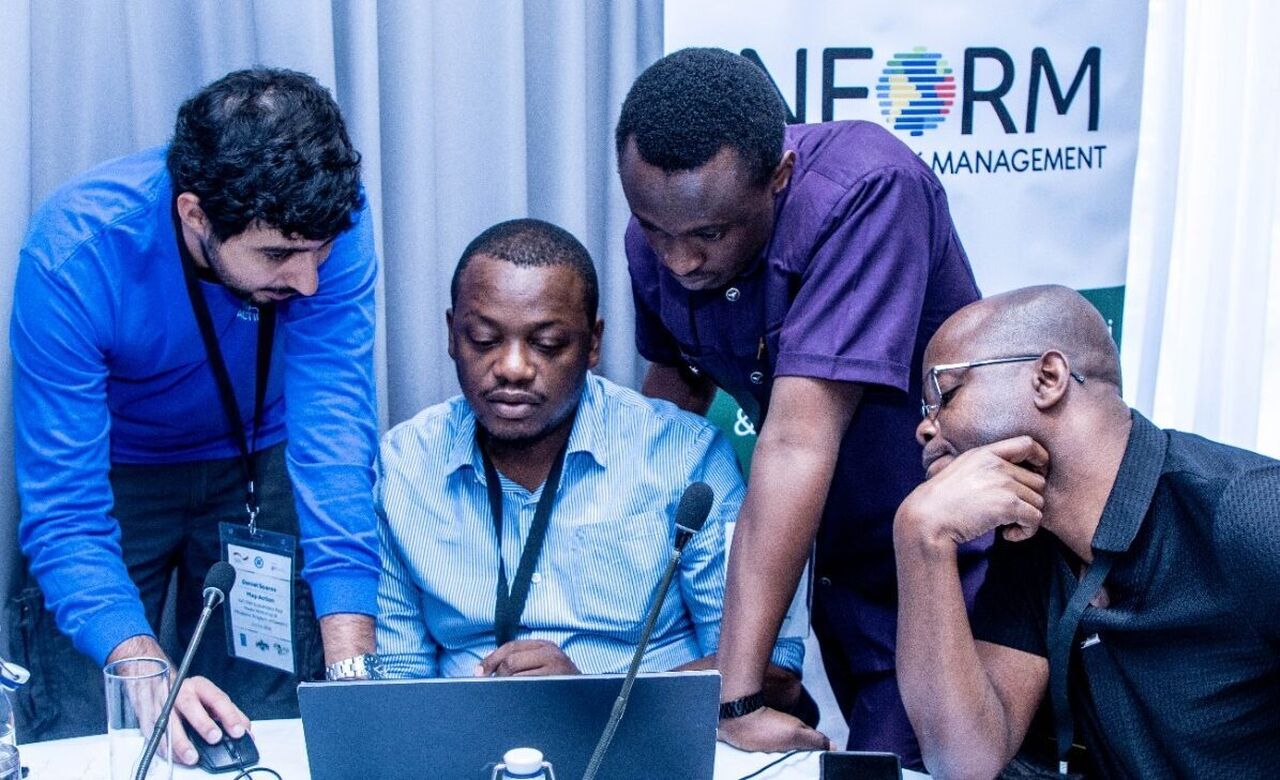
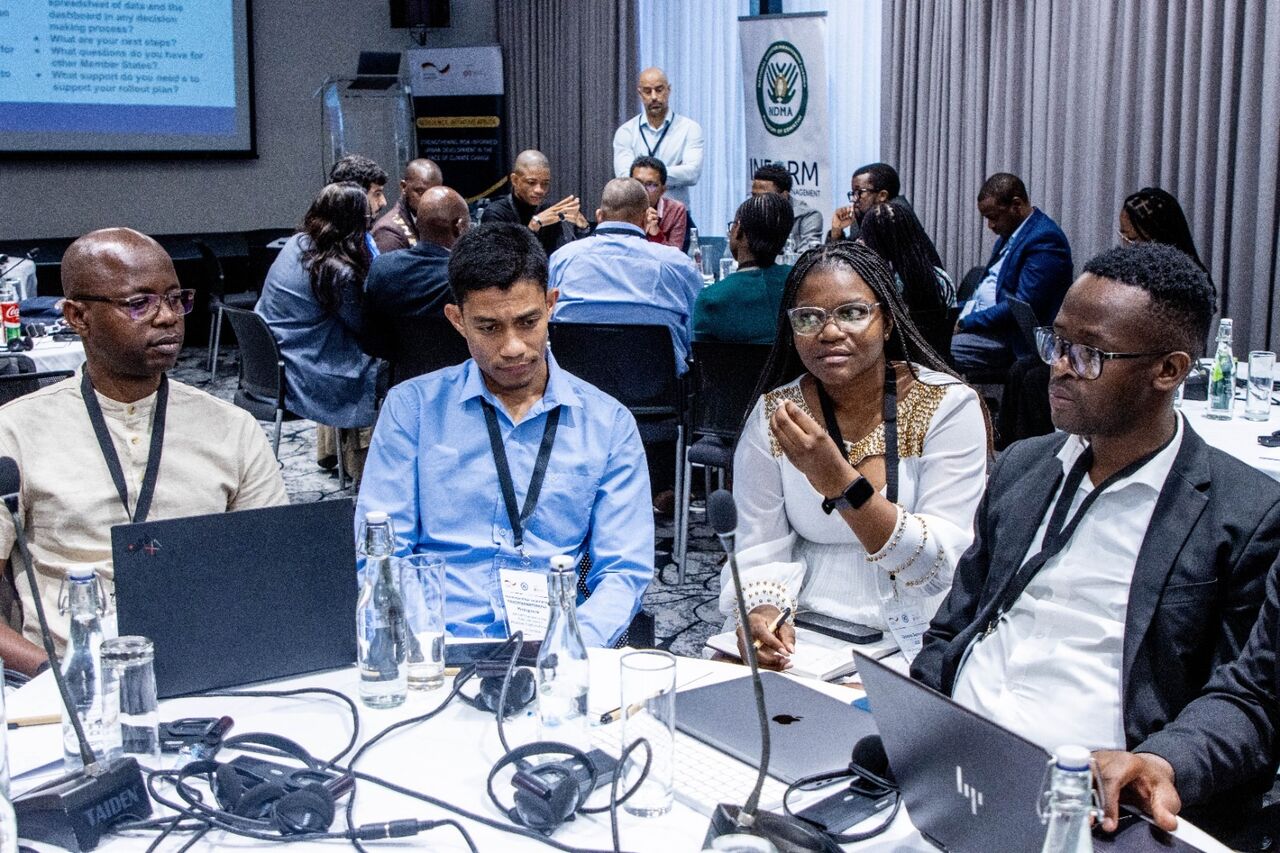
Once operational, it will serve as an open-source platform to guide planning, investment and preparedness actions. Trained officers from each Member State will facilitate the use of the INFORM model within their country, strengthening subnational risk governance and enabling the integration of risk profiles into national platforms.
Partners
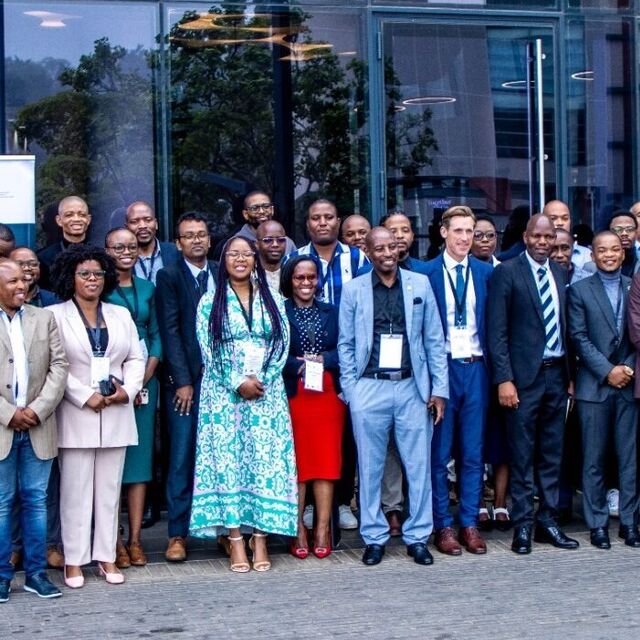
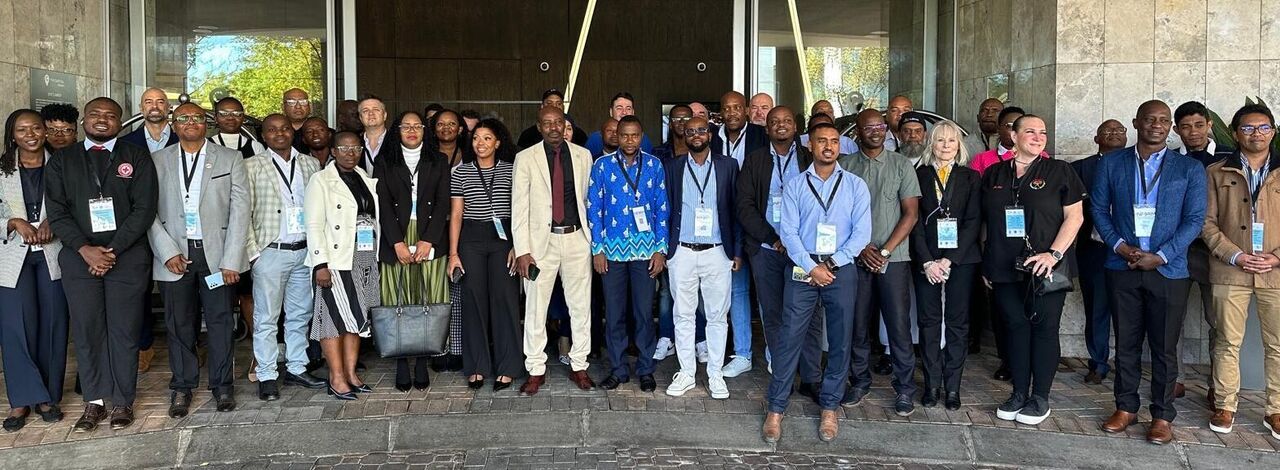
The rollout of the SADC INFORM Subnational Risk Model is led by the SADC Disaster Risk Reduction Unit, with support from GIZ’s RIA, the United Nations Development Programme, humanitarian preparedness and response consulting firm Rivanna Strategy and the non-profit MapAction.
The initiative contributes to continental and global frameworks, including the Africa Multi-hazard Early Warning and Early Action System, Agenda 2063 and the Sendai Framework for Disaster Risk Reduction, promoting a data-driven and collaborative approach to understanding and managing risk across Southern Africa.
Gallery