About
Resilience Initiative Africa

Strengthening Africa’s Cities in the Face of Climate Change and Disaster Risks
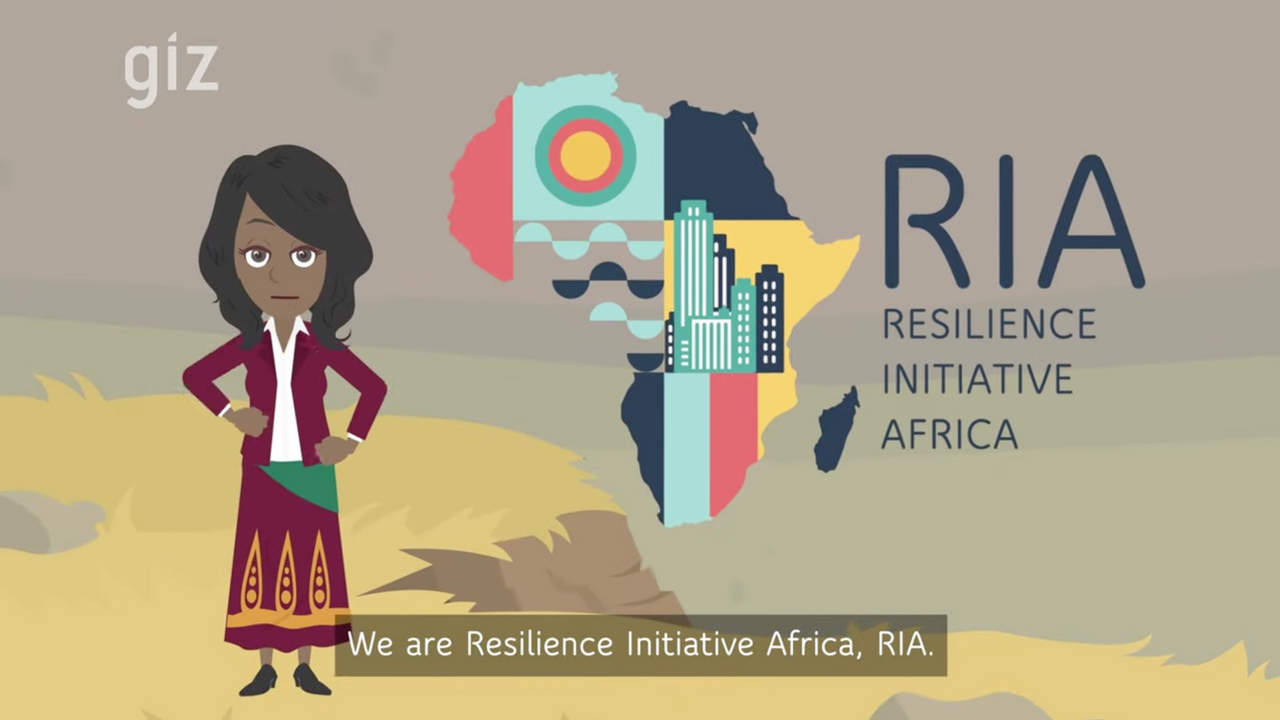
The Resilience Initiative Africa (RIA) is committed to transforming how African cities anticipate, prepare for and respond to climate and other disaster-related risks. To achieve this goal, the project aims to increase the capacities of regional, national and local state and non-state actors to effectively identify and address risks. This is key to enhancing risk-informed urban development and disaster risk management across Africa. The RIA project is commissioned by the German Federal Ministry for Economic Cooperation and Development (BMZ) and implemented by GIZ.
Why is RIA relevant?
African countries are disproportionally affected by climate change, which jeopardises water and food security, health and biodiversity on the continent. Besides climate-related hazards such as droughts, floods and epidemics, conflicts and corruption further threaten economic and social development in many African regions and exacerbate existing inequalities.
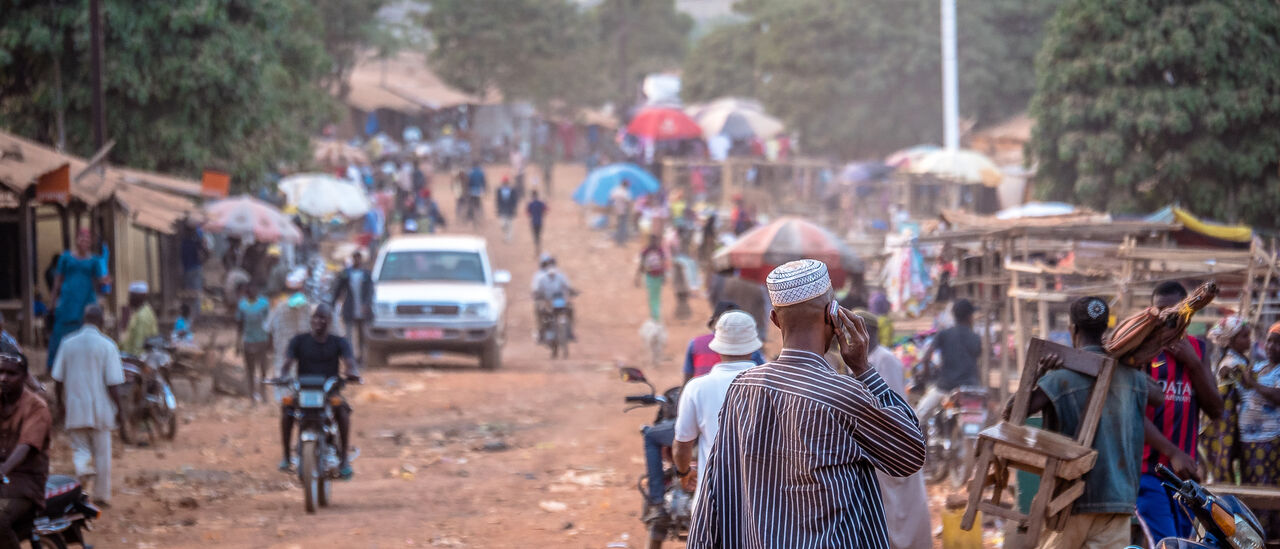
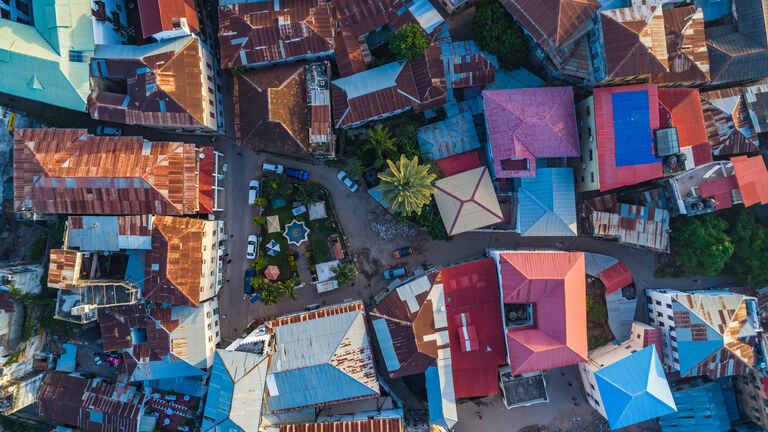
Cities are particularly vulnerable to these hazards and risks since people, goods and infrastructure are concentrated in these urban areas. The United Nations expects the continent’s urban population to increase by nearly a billion people over the next three decades. However, urbanisation often takes place in an unplanned manner without consideration of current and future risks to cities.
In many development efforts, risks are neither systematically addressed at the regional, national or local levels, nor sufficiently integrated into state-led planning and implementation processes. This limits resilience in urban areas and constrains risk-informed urban development. Consequently, extreme events often have devastating effects that disproportionately affect vulnerable population groups, such as inhabitants of informal settlements.
In many African cities, around 60% of the population lives in informal settlements. Besides inadequate infrastructure and a lack of risk-awareness and -prevention measures, inequality and marginalisation also significantly increase their vulnerability to climate and disaster risks and affect their coping and adaptive capacities. Women, people with disabilities and members of social minorities and some ethnic groups are particularly affected.
Given the significant investments needed in urban social and infrastructure development to match the urbanisation trend, it is critical to strengthen cities’ resilience.
The Approach
Traditional disaster risk management (DRM) often focuses narrowly on single hazards such as floods or cyclones. RIA’s approach is different in that it recognises the interconnected nature of risks (from climate change and rapid urbanisation to state fragility and conflict) and fosters cross-sectoral and multilevel cooperation.
By aligning with the Sendai Framework for Disaster Risk Reduction global agreement, and contributing to the African Union’s Africa Urban Resilience Programme, RIA ensures that risk considerations are systematically integrated into development planning and decision-making across the continent.
Through peer learning and experts’ inputs, participants have exchanged insights on challenges and good practices. A key challenge identified is the complexity of multisectoral involvement in DRM. A multisectoral approach refers to the collaborative process between, and involvement of, multiple sectors, including governmental and non-governmental organisations, community stakeholders and the private sector and academia, in cities’ efforts to manage multifaceted disaster risks.
Four Areas of Work
RIA strengthens urban disaster and climate risk management through four key areas of action:
Knowledge sharing and learning
RIA is creating a continent-wide platform for knowledge exchange and peer learning on risk-informed urban development.
Supporting continental and regional urban resilience
The project enhances the implementation of the African Union’s (AU) Africa Urban Resilience Programme and fosters regional urban development with the Southern African Development Community (SADC) and the Economic Community of West African States (ECOWAS).
Enhancing participatory disaster risk management
The project supports inclusive and gender-responsive disaster risk analyses and preventive activities in cities and informal settlements, in collaboration with the United Nations Office for Disaster Risk Reduction Regional Office for Africa (UNDRR Africa) and the civil society network Slum Dwellers International (SDI).
Enhancing climate change adaption in Africa
The project strengthens continental climate change adaptation initiatives through its implementing partners to serve as a pan-African forum.
Our Partners
Collaboration is central to RIA’s mission. We work closely with the African Union Commission, the Southern African Development Community, the United Nations Office for Disaster Risk Reduction and Slum Dwellers International, among others.
These partnerships enable us to deliver technical training, promote inclusive disaster risk management strategies and support the AU’s Africa Urban Resilience Programme.
By facilitating cross-country dialogue, developing policy tools and delivering training to city administrations, RIA is building a foundation for long-term resilience across Africa. Our efforts aim to not only reduce the impact of disasters but also to empower communities to build back better, leaving no one behind.